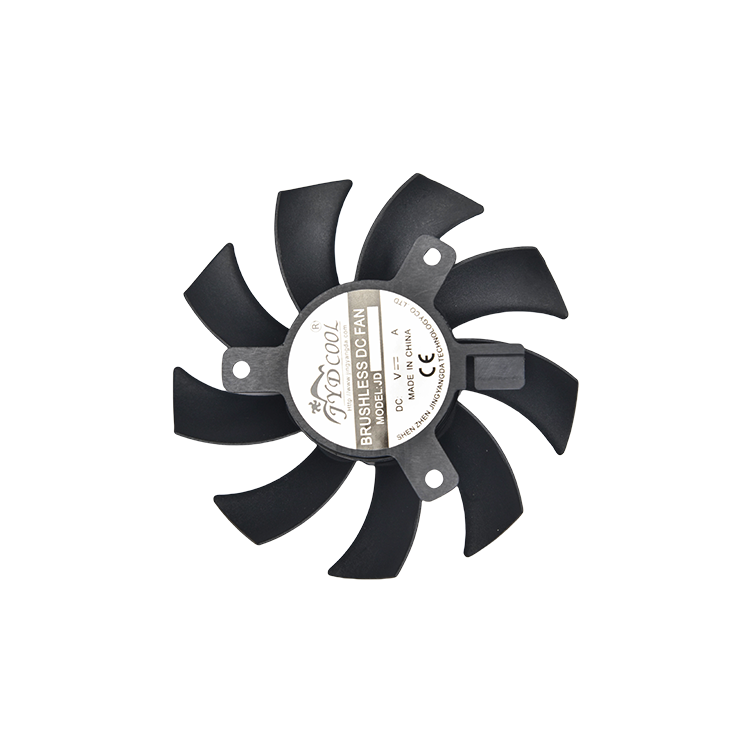
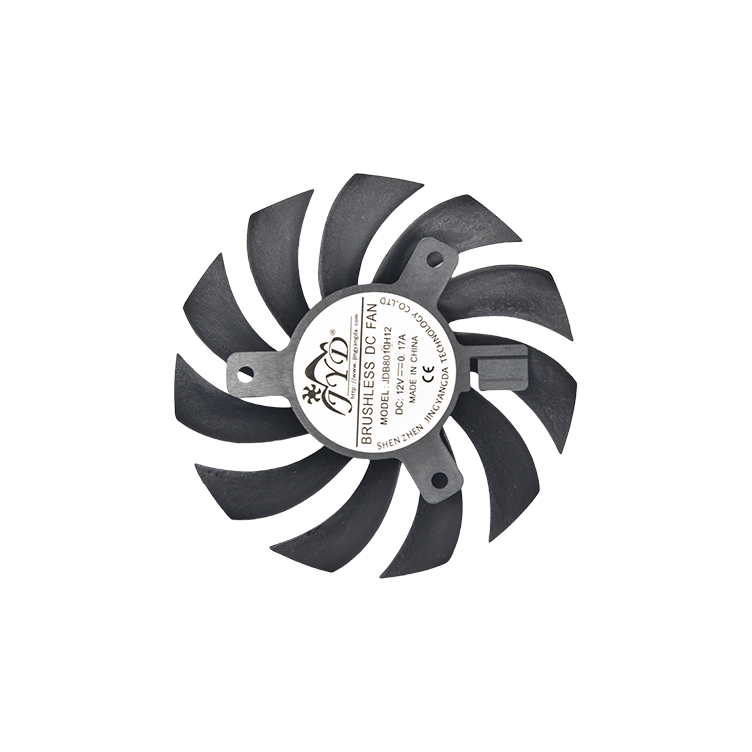
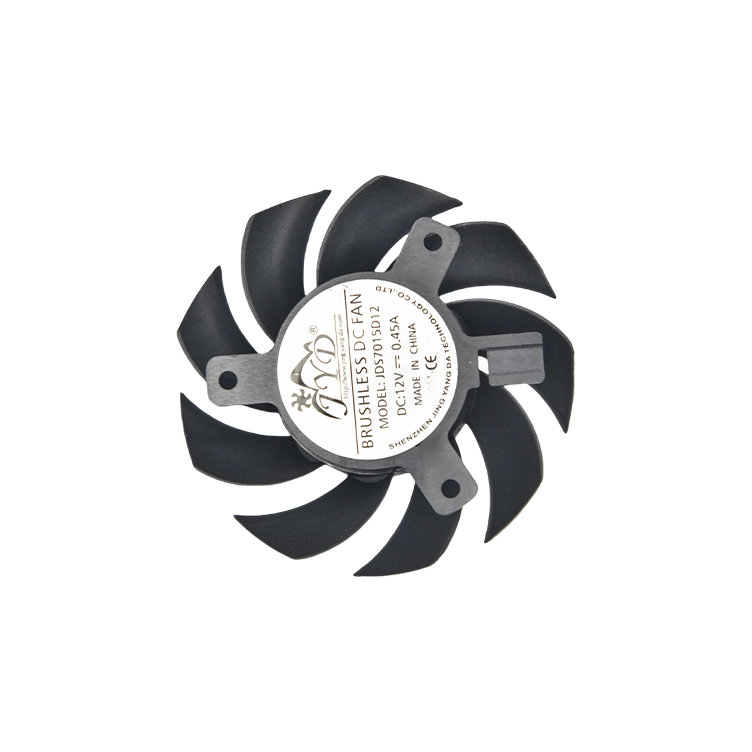
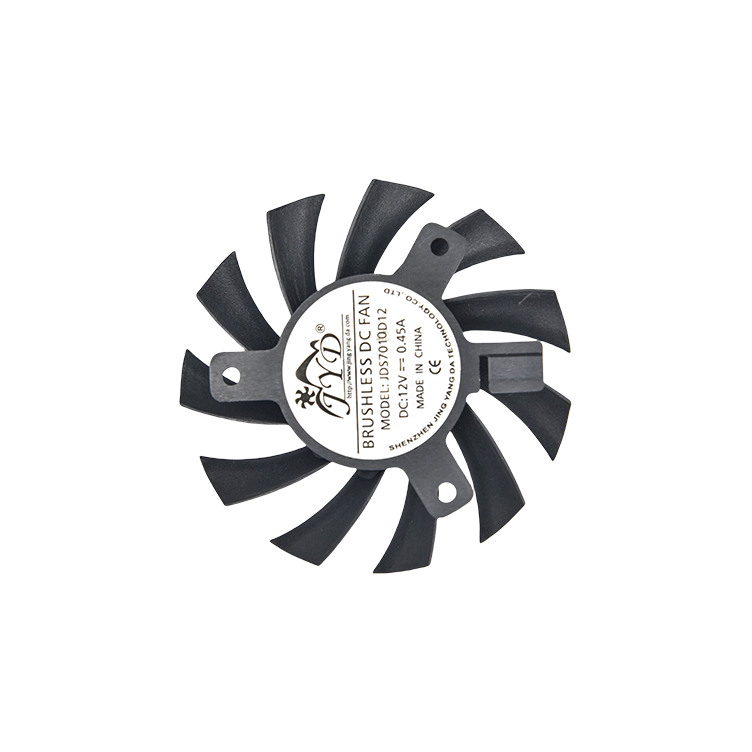
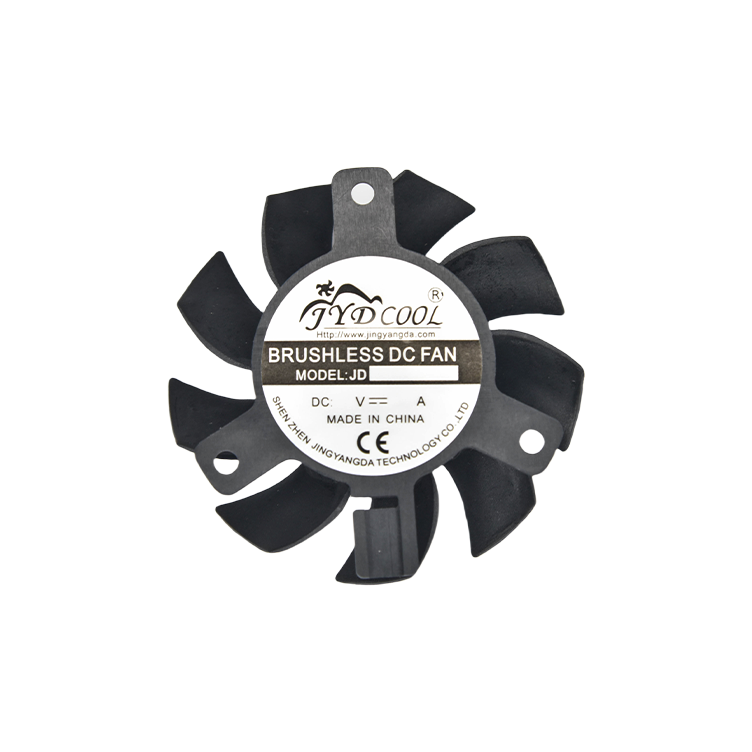
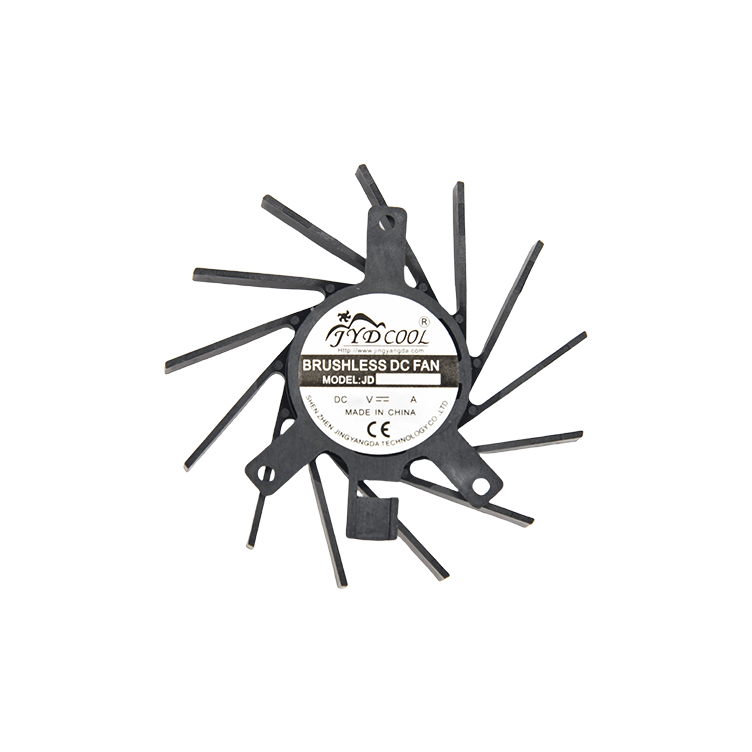
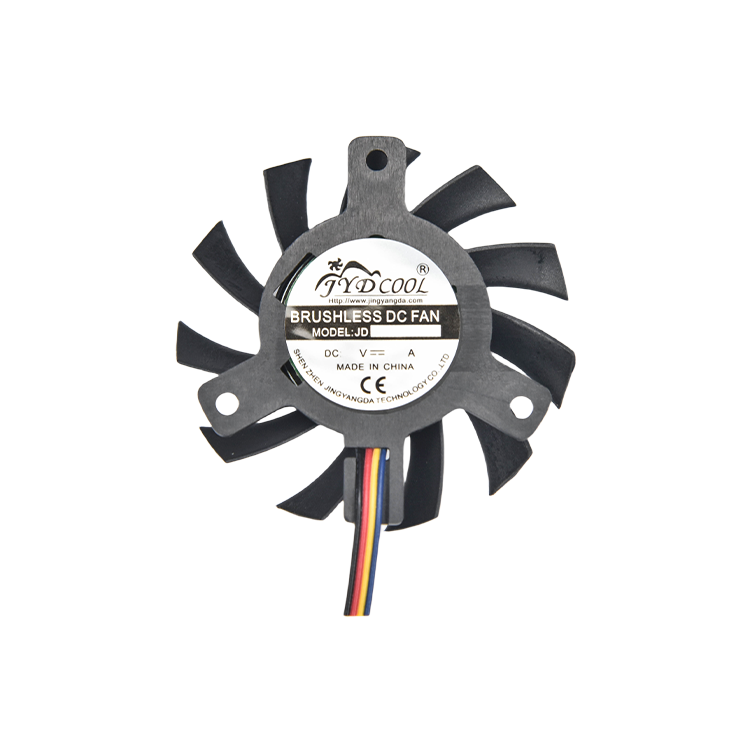
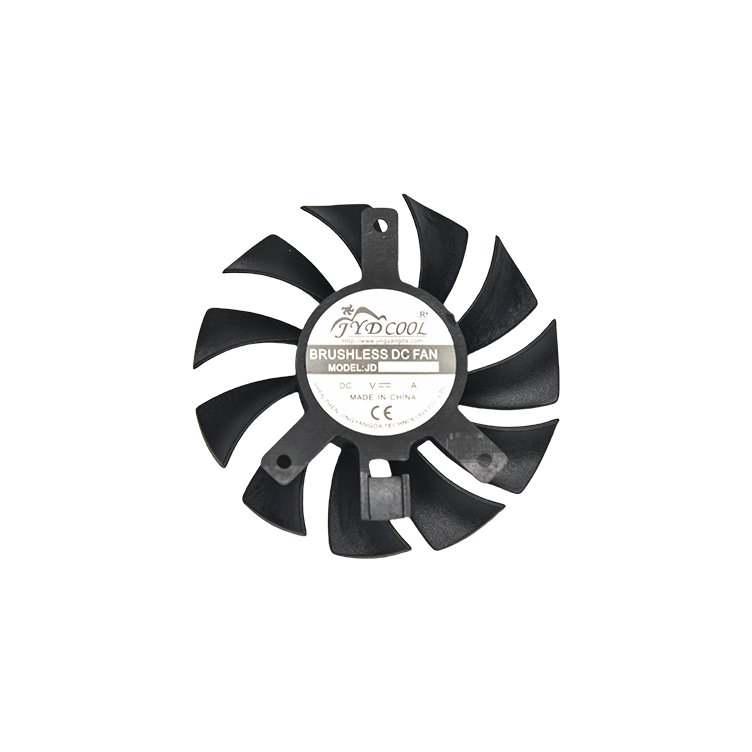
The performance of a cooling fan in high-temperature environments can be affected. High temperatures can increase the temperature of the fan motor and bearings, raising the risk of wear and failure. A...
Maintenance of cooling fans mainly includes regular cleaning, bearing inspection, and lubrication. Regular cleaning prevents the accumulation of dust and debris, which can affect the fan's cooling...
PWM (Pulse Width Modulation) control is a technology that adjusts fan speed by modulating the pulse width of the control signal. The PWM signal varies the duty cycle of the pulses to regulate the fan&...
The protection rating of a cooling fan is usually indicated by the IP (Ingress Protection) rating, which represents the fan's ability to resist solid particles and liquids. The IP rating consists ...
Yes, the installation direction of a cooling fan significantly affects its cooling performance. Typically, a fan can be installed on the intake or exhaust side of a heat sink. When installed on the in...
The energy efficiency of a cooling fan is typically evaluated by the ratio of airflow to power consumption, i.e., the amount of airflow generated per watt of power. Higher energy efficiency means the ...
The noise of a cooling fan primarily comes from airflow, mechanical vibration, and motor operation. Airflow noise is caused by turbulence and vortices generated when the blades rotate and interact wit...