Wellcome to JYDCOOL
-
-
5th Floor, Building B, No. 73, Saelkang Avenue, Xinqiao Sub-district, Bao'an District, Shenzhen City
Wellcome to JYDCOOL
The design and performance optimization of high - efficiency blowers involve several key aspects, including impeller design, motor selection, aerodynamic optimization, and control system design. Here is a detailed introduction:
Impeller Design
Blade Shape and Profile: The shape and profile of the impeller blades have a significant impact on the blower's performance. Optimized blade shapes can reduce air resistance and improve the efficiency of air transfer. For example, using airfoil - shaped blades can enhance the aerodynamic performance and reduce energy loss.
Impeller Diameter and Width: The diameter and width of the impeller determine the volume of air that can be handled and the pressure that can be generated. Increasing the impeller diameter and width can generally increase the blower's flow rate and pressure - raising capacity, but it also needs to be balanced with the motor power and overall size of the blower.
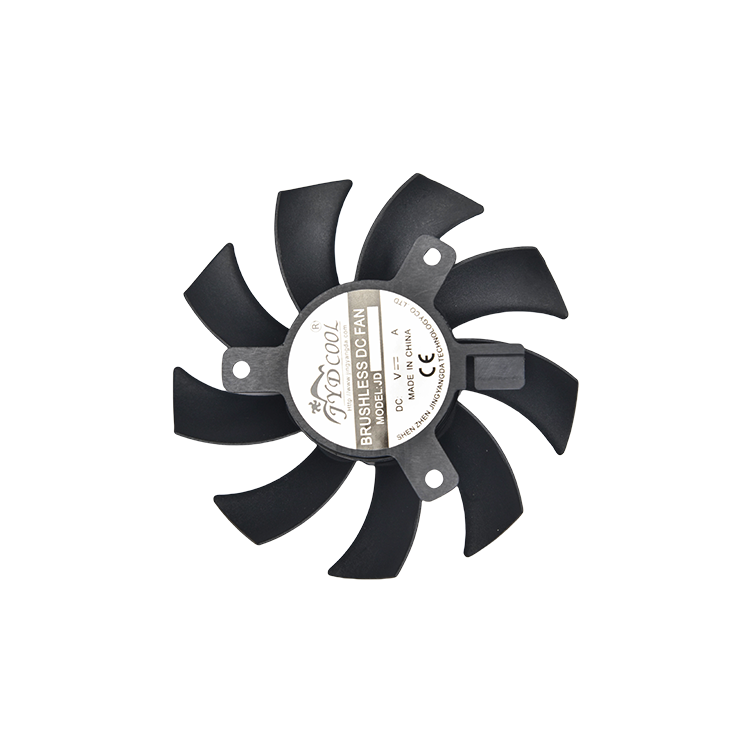
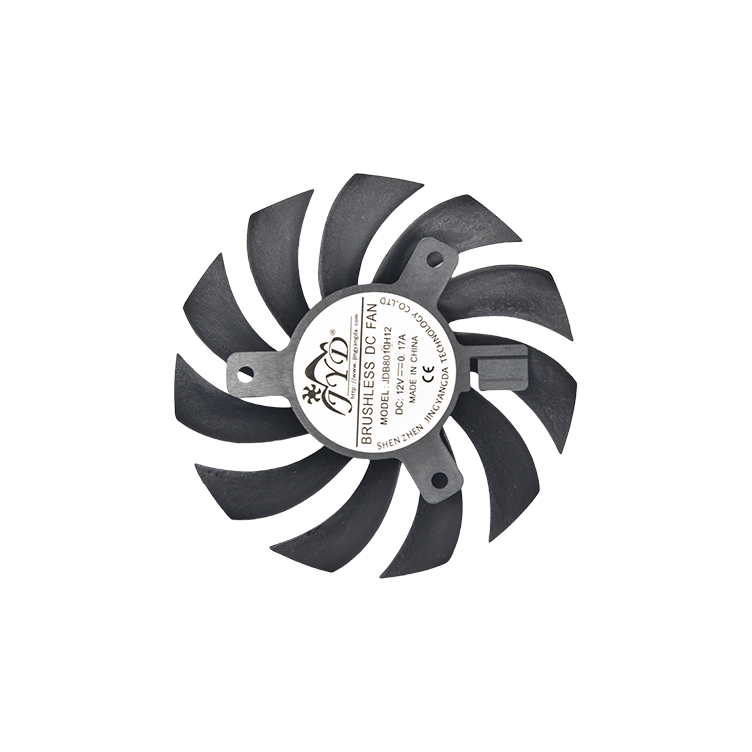
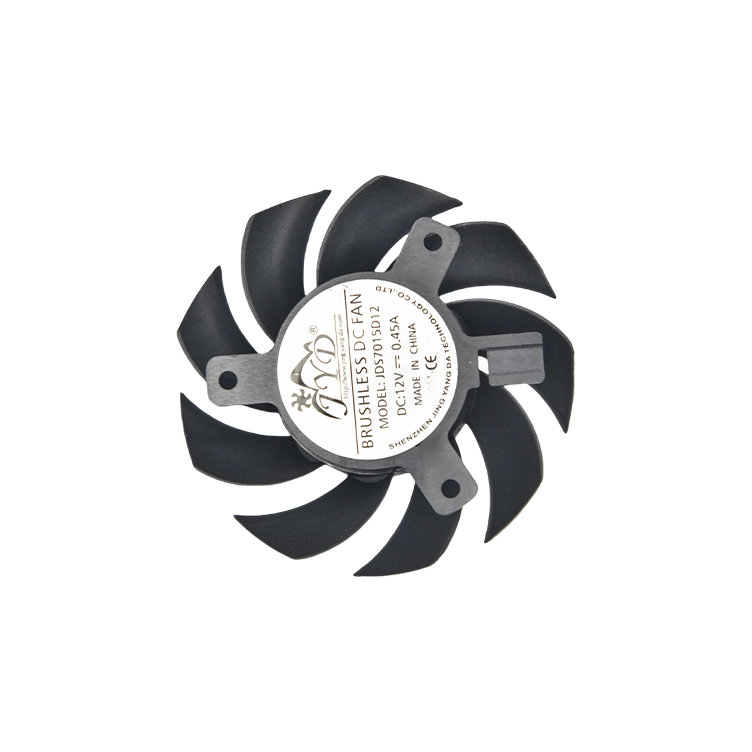
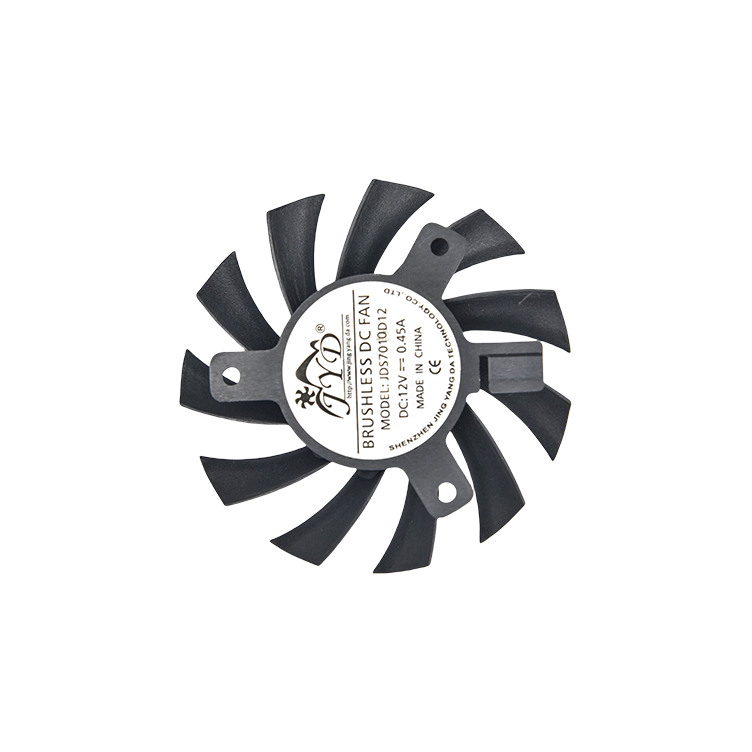
Number of Blades: The number of blades on the impeller affects the blower's performance and noise level. A reasonable number of blades can improve the stability of air flow and reduce pulsation. Generally, centrifugal blowers often have 6 - 12 blades, and the specific number needs to be optimized according to the specific application requirements.
Motor Selection
High - Efficiency Motors: Selecting high - efficiency motors is crucial to improving the overall efficiency of the blower. Motors with high - efficiency levels, such as IE3 or IE4 - class motors, can significantly reduce energy consumption. These motors have better magnetic materials and winding designs to minimize copper and iron losses.
Motor Power and Speed: The power and speed of the motor should be matched to the blower's requirements. Undersized motors will cause the blower to operate at a lower efficiency, while oversized motors will waste energy. The motor speed should also be optimized to ensure that the impeller rotates at the most efficient speed. Variable - speed motors can be used to adjust the blower's output according to the actual demand, further improving energy efficiency.
Aerodynamic Optimization
Volute Design: The volute is an important part of the blower that collects and guides the air flow. Optimizing the volute design can improve the air flow uniformity and reduce the pressure loss. The shape and size of the volute should be designed according to the impeller's characteristics and the air flow path to ensure a smooth transition of the air flow.
Inlet and Outlet Design: The design of the inlet and outlet of the blower also affects its performance. Smooth inlet and outlet channels can reduce the air flow resistance and improve the efficiency. In addition, proper inlet and outlet geometries can help to control the air flow direction and distribution, reducing turbulence and eddy currents.
Control System Design
Variable - Speed Control: Implementing variable - speed control systems, such as frequency converters, allows the blower to operate at different speeds according to the actual process requirements. This can significantly reduce energy consumption when the blower does not need to operate at full capacity. For example, in ventilation systems, the blower speed can be adjusted based on the indoor air quality or the occupancy level of the building.
Air Flow and Pressure Control: Installing sensors to monitor the air flow and pressure and using closed - loop control systems can ensure that the blower operates at the optimal working point. The control system can adjust the motor speed or the opening of the air - regulating valves to maintain the desired air flow rate and pressure, improving the stability and efficiency of the blower operation.