Wellcome to JYDCOOL
-
-
5th Floor, Building B, No. 73, Saelkang Avenue, Xinqiao Sub-district, Bao'an District, Shenzhen City
Wellcome to JYDCOOL
Data centers are the backbone of modern digital infrastructure, housing servers, storage systems, and networking equipment that require precise environmental conditions to operate efficiently. One of the most critical components in maintaining these conditions is the cooling system, where DC (Direct Current) fans play a pivotal role. This article explores the importance of DC fans in data center cooling, their advantages, and the challenges associated with their use.
1. Importance of Cooling in Data Centers
Data centers generate significant amounts of heat due to the continuous operation of high-performance computing equipment. If not properly managed, this heat can lead to equipment failure, reduced lifespan of components, and increased energy consumption. Effective cooling is essential to:
Maintain Optimal Temperatures: Ensuring that equipment operates within the recommended temperature range (typically 18-27°C or 64-81°F) to prevent overheating.
Ensure Reliability: Reducing the risk of hardware failures and downtime, which can be costly and disruptive.
Improve Energy Efficiency: Efficient cooling systems can significantly reduce the overall energy consumption of a data center, leading to lower operational costs.
2. Role of DC Fans in Cooling Systems
DC fans are integral to the cooling systems in data centers. They are used in various applications, including:
Airflow Management: DC fans help in directing cool air to hot spots and expelling hot air from the equipment. This is crucial in maintaining an even temperature distribution throughout the data center.
Heat Exchangers: In liquid cooling systems, DC fans are used to cool the heat exchangers that transfer heat from the liquid to the air.
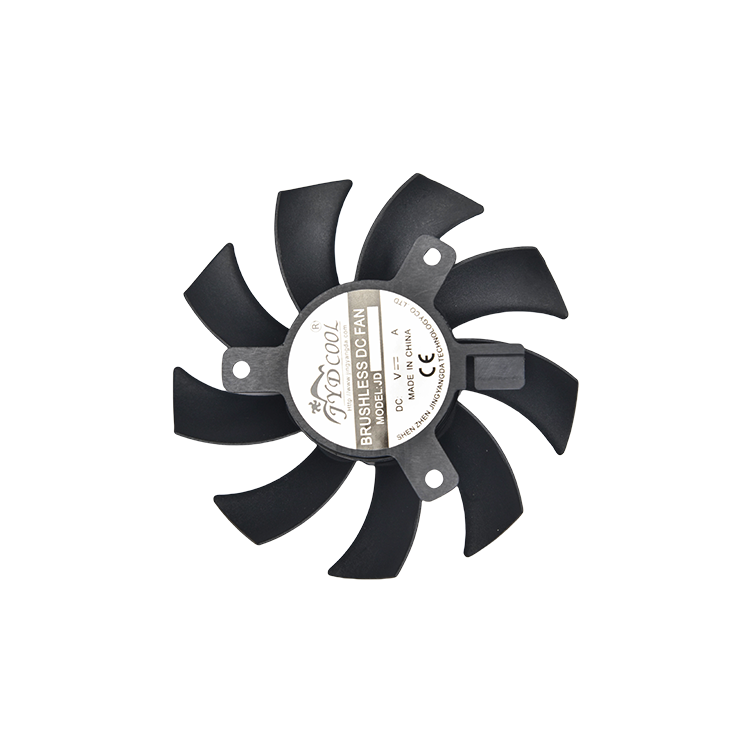
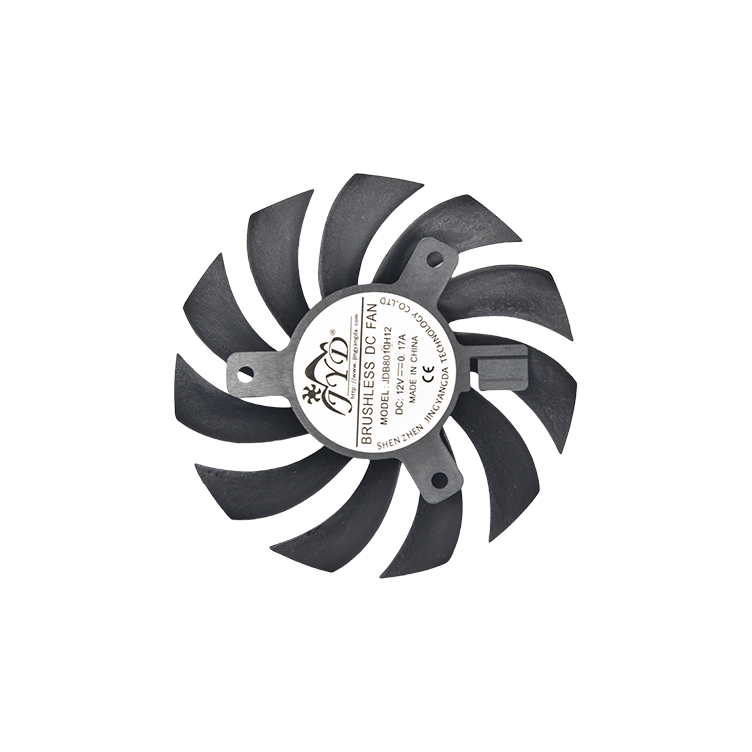
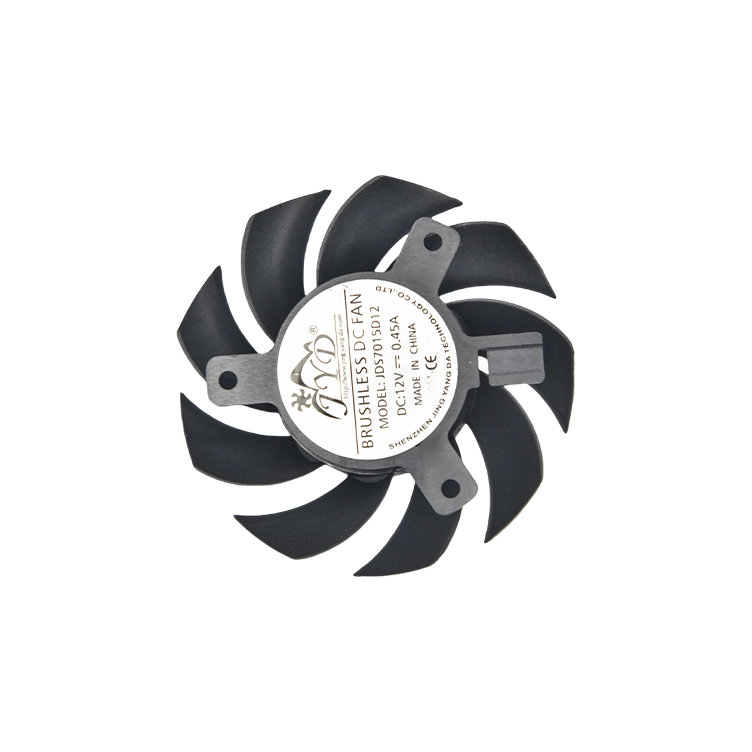
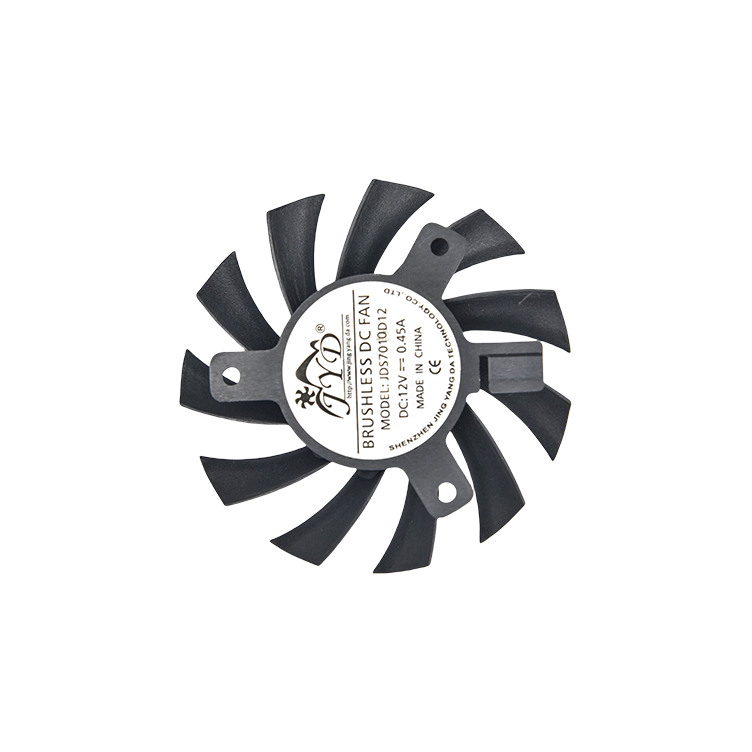
Server Cooling: Many servers come equipped with DC fans that provide localized cooling to critical components such as CPUs, GPUs, and power supplies.
3. Advantages of DC Fans
DC fans offer several advantages over their AC (Alternating Current) counterparts, making them particularly suitable for data center cooling:
Energy Efficiency: DC fans are generally more energy-efficient than AC fans, especially at lower speeds. This is because DC motors have fewer energy losses and can be more precisely controlled.
Variable Speed Control: DC fans can be easily controlled to adjust their speed based on the cooling demand. This allows for more efficient cooling and reduces energy consumption during periods of lower heat load.
Compact Size: DC fans are often smaller and lighter than AC fans, making them easier to integrate into compact server designs and cooling systems.
Lower Noise Levels: DC fans tend to operate more quietly than AC fans, which is beneficial in environments where noise reduction is important.
4. Challenges and Considerations
While DC fans offer many benefits, there are also challenges and considerations that need to be addressed:
Power Supply: DC fans require a DC power source, which may necessitate additional infrastructure in data centers that primarily use AC power. This can include the use of power supplies or inverters to convert AC to DC.
Heat Generation: Although DC fans are efficient, they still generate heat during operation. This heat must be managed to prevent it from contributing to the overall thermal load of the data center.
Maintenance and Reliability: Like all mechanical components, DC fans require regular maintenance to ensure reliable operation. Failure of a fan can lead to localized overheating and potential equipment damage.
5. Future Trends
As data centers continue to evolve, so too will the technologies used for cooling. Some emerging trends related to DC fans in data center cooling include:
Advanced Materials: The use of advanced materials in fan construction can improve efficiency, reduce weight, and enhance durability.
Smart Cooling Systems: Integration of DC fans with IoT (Internet of Things) sensors and AI (Artificial Intelligence) algorithms can enable more intelligent and adaptive cooling systems that respond dynamically to changing conditions.
Liquid Cooling Integration: As liquid cooling becomes more prevalent in data centers, DC fans will play a role in cooling the heat exchangers and other components of these systems.
6. Conclusion
DC fans are a critical component in the cooling systems of modern data centers. Their energy efficiency, variable speed control, and compact size make them well-suited to the demanding requirements of data center environments. However, careful consideration must be given to power supply, heat generation, and maintenance to ensure reliable and efficient operation. As data centers continue to grow and evolve, the role of DC fans in cooling systems will remain essential, with ongoing advancements likely to further enhance their performance and integration into next-generation cooling solutions.